LinkedIn: The Stage of the Damned
If Dante were alive today, the ninth circle of hell would have Wi-Fi, brand partnerships, and a “We’re hiring!” banner.

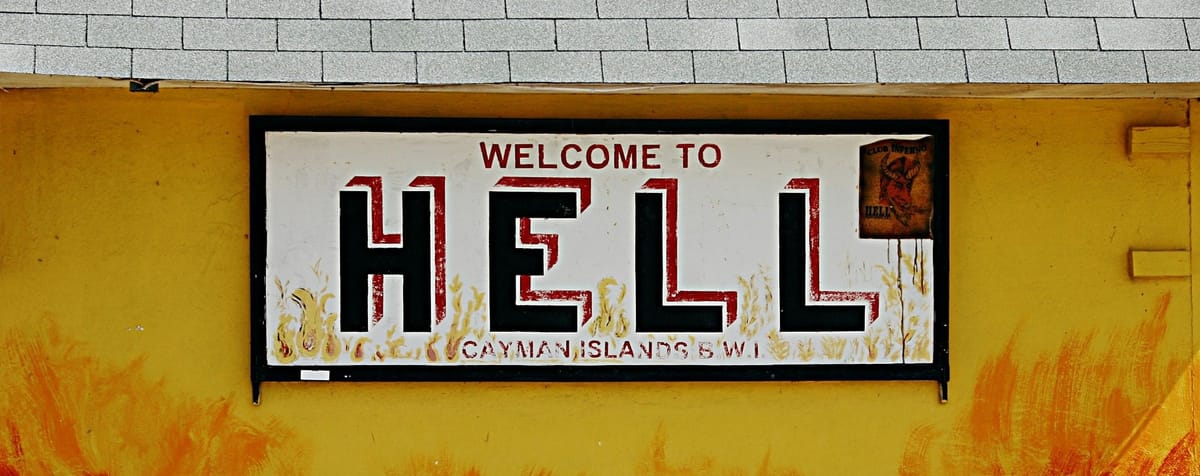
Where authenticity goes to network and die
What began as a professional network has evolved into a digital Colosseum, a place where corporate souls perform their devotion to productivity before an audience of equally trapped spectators. Everyone here is grateful, everyone is honored, and everyone has just completed a “period of incredible growth and reflection.”
It is no longer a platform. It is an altar.
And we are all the sacrifices.
LinkedIn is where irony goes on sabbatical. No one logs in to be real. They log in to sound like a PowerPoint presentation that discovered emotions and AI simultaneously. Scroll long enough and you will encounter the archetypes.
- The Humblebragger, who “never thought they’d make it this far,” despite three years of reminding you they would.
- The Corporate Poet, who writes breakup-style posts about leaving their company but tags the CEO for closure.
- The Inspirational Manager, whose team secretly resents them but whose hashtags include #Empathy and #ServantLeadership.
- And, of course, the Thought Leader, whose thoughts are neither original nor leading.
Every post is a confession disguised as a celebration.
“I’m thrilled to announce” means “I was terrified to be unemployed.”
“Proud of my team” means “I need leadership to notice I’m managing.”
“Honored to be part of this journey” means “Please don’t fire me yet.”
It isn’t deception; it’s survival.
LinkedIn is the never-ending performance review. The stage lights are blue, the applause digital, the scripts self-authored. The platform rewards virtue signaling over substance. It is not about what you do but how profoundly you can narrate doing it.
Work has become lifestyle content. Even burnout needs a filter: After a challenging year of growth and resilience, I’m taking time to recharge and reflect.
Translation: I cried in the bathroom for six months and my therapist said I should quit.
The algorithm doesn’t care about truth; it cares about tone. It rewards optimism, vulnerability, and a closing line about learning. Authenticity, when unfiltered, performs poorly. Honesty is only welcome after it has been through branding.
Companies understand this perfectly. They now choreograph the authenticity of their leaders. The CEO posts a selfie from the factory floor, wearing a helmet for fourteen seconds before being airlifted back to strategy meetings. The Chief People Officer writes about transparency while the comments are turned off. The organization wants to look human, as long as it never has to act like it.
The tragedy of LinkedIn is not self-promotion but self-erasure. Every post teaches us how to package identity for consumption. We compress our lives into digestible bullet points of triumph, omitting the confusion, the disillusionment, the quiet middle where most of living occurs. We become our own PR departments, editing reality for relatability.
It isn’t that we don’t know it’s fake. It’s that we’ve accepted faking it as part of the job. The performative gratitude, the curated vulnerability, the endless optimism; all of it is the entry fee for visibility. If you don’t play, you disappear. And disappearance, in the modern workplace, is indistinguishable from irrelevance.
Occasionally someone breaks the pattern. They post something raw, something true, something fun. A confession about failure, a critique of leadership, a plea for humanity, or simply an instance that makes the audience feel something, maybe even smile. For a brief moment, it goes viral. We applaud their courage and authenticity. Then we scroll past, relieved that vulnerability still looks beautiful in someone else’s post.
Authenticity on LinkedIn is a controlled burn; allowed only in small, aesthetic doses. Too much truth and the algorithm panics.
The cruel genius of it all is that LinkedIn feels good. It offers the illusion of community, applause without intimacy. We post, we like, we comment well said as if we have participated in something meaningful. But no one is connecting. We are all networking ghosts: visible, active, and profoundly alone.
And yet we stay. We scroll through our lunch breaks, post at nine for peak visibility, and check who viewed our profiles like a digital séance. We edit ourselves to fit the feed, hoping our curated sincerity will be mistaken for significance.
Because deep down, we aren’t chasing opportunity. We’re chasing recognition. Proof that our work matters, that we matter, that someone is watching. LinkedIn gives us that comfort, one like at a time.
It isn’t the platform that damns us. It is the reflection it holds. A world where success is aesthetic, struggle is content, and the self has become a brand.
One day, historians will study LinkedIn posts the way we study propaganda; artifacts of a generation that confused productivity with purpose. They will read our captions about gratitude and growth and see, between the lines, the exhaustion we could not admit.
Until then, we keep posting. Smiling, reflecting, announcing, thanking. Not because we believe any of it, but because we have forgotten how not to.
Because the truth is simple: If you are not performing, you are invisible.
And in the modern corporate afterlife, invisibility is the closest thing to freedom.