An Autopsy of Organizational Excitement
Cause of Death: Excitement

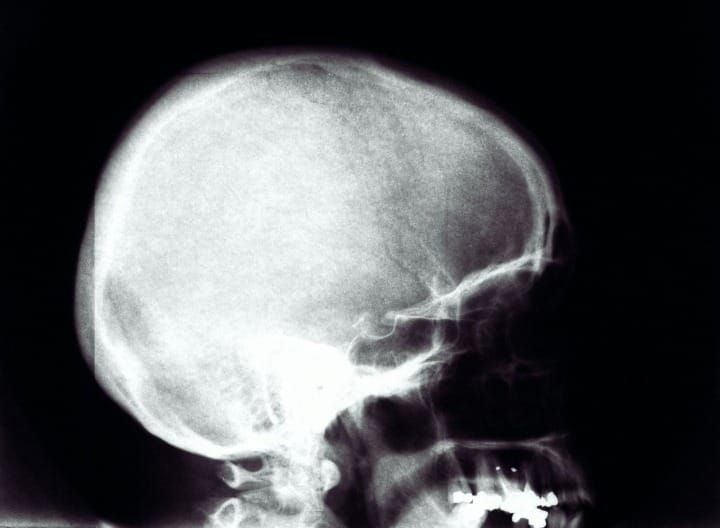
Subject: Strategic transformation initiative
Condition on arrival: Highly energized
Time of death: Approximately three weeks after launch
External observations
The initiative appeared healthy at first.
Leadership was aligned. The room was engaged. The language was ambitious. A keynote was delivered, the workshop completed, and several photographs suggested meaningful progress.
The organization reported elevated levels of momentum. No structural changes were detected.
Internal examination
Capacity remained unchanged.
Decision rights were still unclear. Priorities continued to accumulate without displacement. Ownership was distributed across several functions and therefore belonged to no one in particular.
The teams responsible for execution were already operating over full capacity.
Additional work had been introduced without removing existing obligations, increasing resources, or accepting a later delivery date. This was recorded as transformation.
Pathology
The organization mistook emotional response for operational readiness.
Excitement temporarily masked several pre-existing conditions:
- chronic overcommitment
- weak prioritization
- delayed decision-making
- shared accountability
- dependency on individual heroics
- governance forums without authority
The conditions were not treated. Further communication was prescribed instead.
Progression
Once the initial energy declined, familiar symptoms returned.
Meetings increased. Decisions slowed. Deadlines remained fixed. Scope continued to expand. The most competent employees began compensating for the system.
Management interpreted fatigue as resistance.
The diagnosis was incorrect.
The organization had not resisted change. It had simply continued operating according to its actual design.
Cause of death
The initiative did not fail because people lost enthusiasm.
It failed because enthusiasm was expected to perform the functions of an operating model.
No mechanism existed to decide what would stop, who had authority, where conflicts would be resolved, or how limited capacity would be protected.
Excitement sustained the appearance of life. The structure could not sustain execution.
Final determination
Primary cause: Operating model failure
Contributing factors: Ambition without subtraction, ownership without authority, governance without decisions
Manner of death: Entirely preventable